
Top Myths About Veterans in Web 3.0 and How to Overcome Them


Understanding the Transition of Veterans to Web 3.0
As the digital landscape evolves, many veterans are exploring opportunities in the Web 3.0 space. However, there are several myths that can hinder their transition. Understanding and debunking these myths is crucial for empowering veterans to thrive in this new frontier.
Web 3.0 promises a decentralized future, offering numerous advantages for veterans. Despite this, misconceptions persist, often fueled by a lack of understanding or outdated stereotypes.
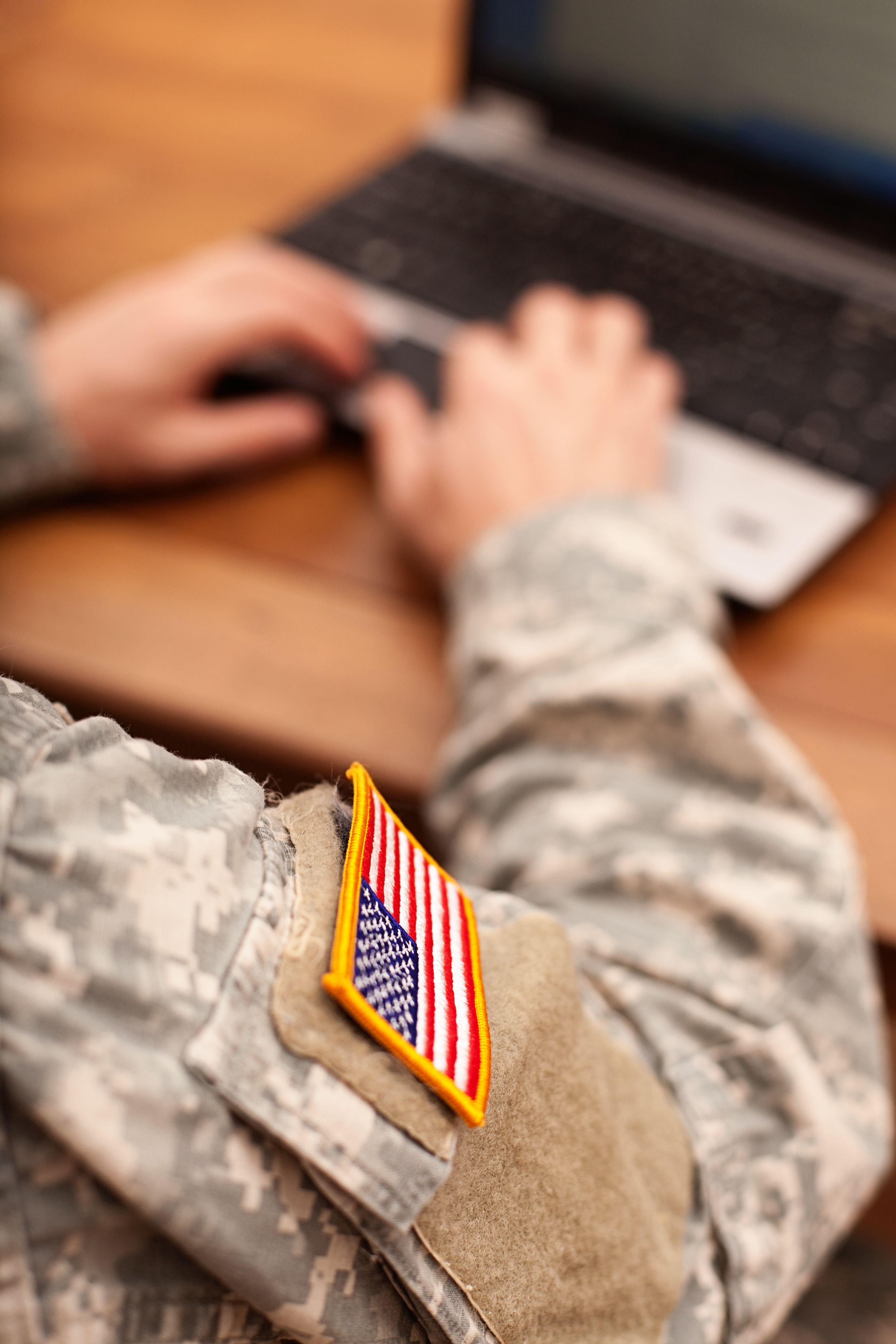
Myth 1: Veterans Lack Technical Skills
One common myth is that veterans do not possess the necessary technical skills for Web 3.0 roles. This stereotype overlooks the extensive training and problem-solving skills many veterans acquire during their service, which are highly transferable to tech roles.
Overcoming the Skills Myth
To overcome this myth, it's essential to highlight veterans' unique skill sets. Many have experience with cutting-edge technology and systems, making them well-suited for roles in blockchain, cybersecurity, and more. Organizations can further aid by offering tailored training programs and mentorship opportunities.

Myth 2: Veterans Struggle with Innovation
Another misconception is that veterans are too rigid or hierarchical to adapt to the innovative and fluid nature of Web 3.0. This stereotype ignores the adaptability and leadership skills developed in diverse and challenging environments.
Nurturing Innovation and Flexibility
Veterans have proven their capacity for innovation under pressure. Encouraging them to leverage these experiences can foster creativity in decentralized projects. Workshops and collaborative projects can be instrumental in showcasing their potential.

Myth 3: Veterans Prefer Traditional Work Environments
Some believe that veterans are only comfortable in structured, traditional work settings. This myth can deter veterans from exploring the dynamic and often remote opportunities in Web 3.0.
Embracing New Work Models
In reality, many veterans thrive in flexible environments. Promoting remote and project-based work can provide veterans the autonomy they appreciate while allowing them to contribute effectively. Community support and networking can also ease the transition.

Creating a Welcoming Environment for Veterans
To fully integrate veterans into the Web 3.0 workforce, it's important to address these myths head-on. Companies should foster an inclusive culture that values the diverse experiences veterans bring to the table.
By providing resources, mentorship, and opportunities for growth, organizations can not only dispel these myths but also harness the untapped potential veterans offer. This approach not only benefits veterans but also enriches the Web 3.0 ecosystem.