
Navigating Life After Service: A Comprehensive Guide for Veterans


Transitioning from military service to civilian life is a significant journey for many veterans. It involves adjusting to new routines, exploring employment opportunities, and navigating a range of emotions. Understanding the resources available and the steps involved can make this transition smoother and more fulfilling.

Understanding the Challenges
Life after service can present numerous challenges. Veterans may face difficulties with employment, education, and mental health. Recognizing these potential hurdles early on is crucial for effective planning and management.
Employment Opportunities
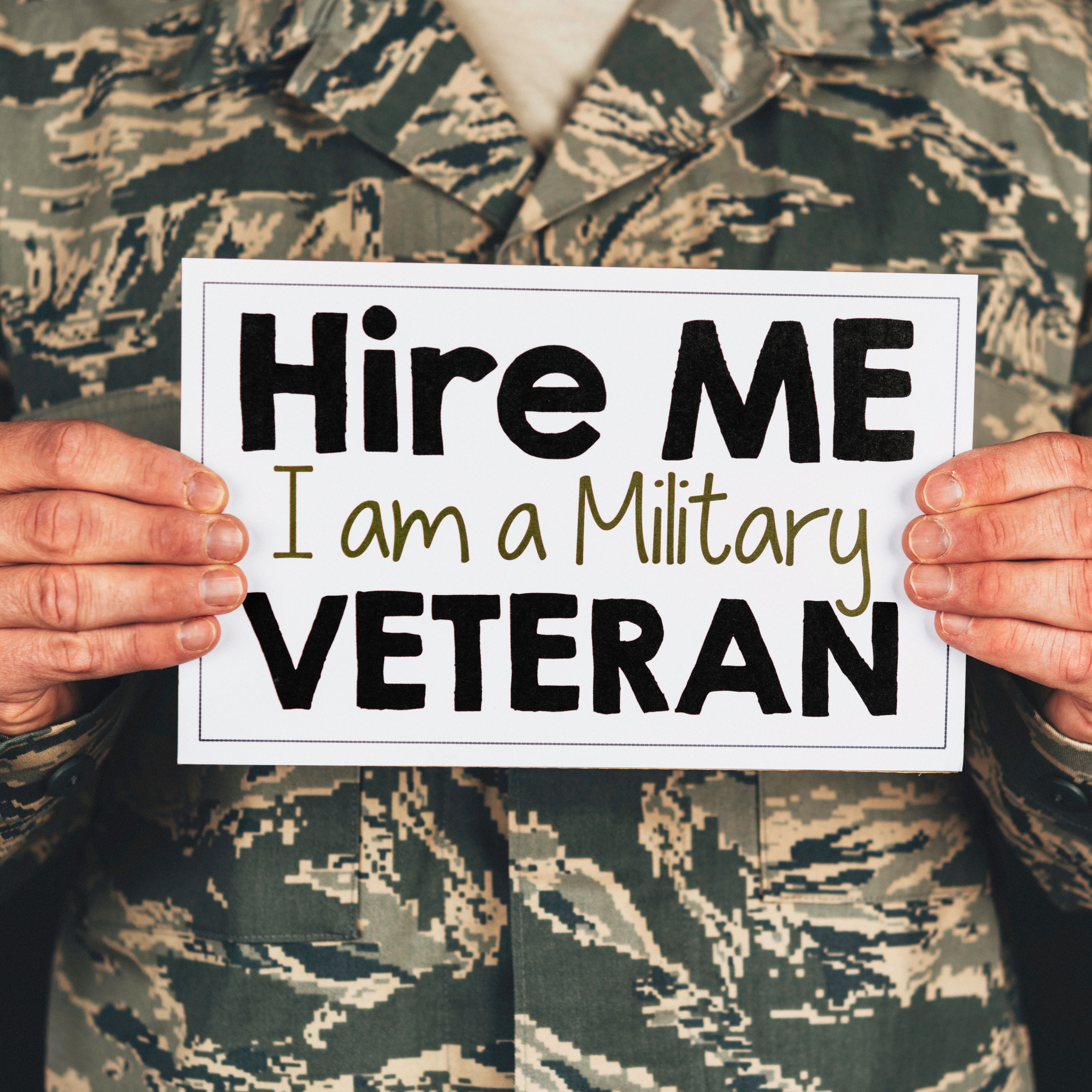
One of the primary concerns for veterans is securing employment. Translating military skills into civilian job opportunities can be challenging. It's essential to identify transferable skills and consider further education or training if necessary.
Accessing Support Services
There are many resources available to help veterans transition smoothly. Understanding and accessing these services can make a significant difference in the adjustment period. From healthcare to financial assistance, support is available in various forms.
Healthcare Benefits
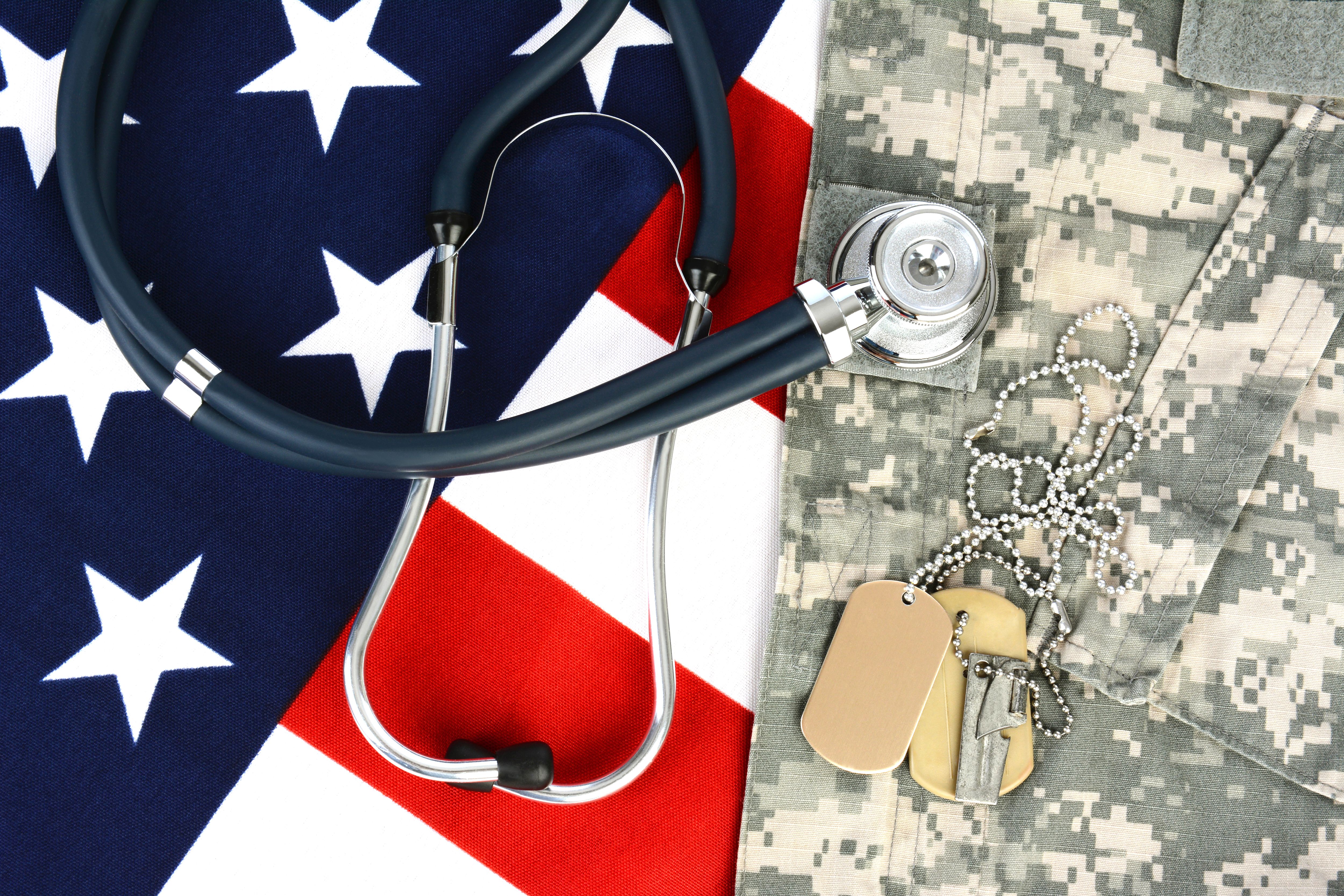
Veterans have access to healthcare benefits through the Department of Veterans Affairs (VA). It's important to enroll in these services and regularly check for updates on available healthcare options.
Education and Training
Further education and training can provide new opportunities and help veterans adapt to civilian job markets. The GI Bill is a valuable resource that offers educational benefits for veterans and their families.
Building a Support Network
Connecting with fellow veterans and support groups can provide a sense of community and understanding. Engaging with veteran organizations can offer guidance, resources, and a network of peers who have faced similar experiences.
Mental Health Resources
Mental health is a critical aspect of the transition process. Veterans should not hesitate to seek help for issues like PTSD, anxiety, or depression. Various organizations offer counseling and support specifically tailored to veterans' needs.

Planning for the Future
Setting goals and creating a clear plan can help veterans navigate life after service. Whether it's starting a new career, pursuing a hobby, or volunteering, having a purpose can enhance the transition experience.
By taking advantage of available resources and building a strong support network, veterans can successfully navigate the complexities of life after service and embark on a rewarding new chapter.