
Myths About Veteran Support: What You Need to Know


When it comes to supporting veterans, there are many misconceptions that can lead to misunderstandings and missed opportunities for assistance. It's crucial to clear up these myths to better support those who have served our country.
Myth 1: Veterans Have Easy Access to Healthcare
One common myth is that all veterans receive comprehensive healthcare benefits automatically. In reality, accessing healthcare services can be a complex process. The Department of Veterans Affairs (VA) provides many services, but eligibility can vary based on factors like service length, type of discharge, and specific health needs.
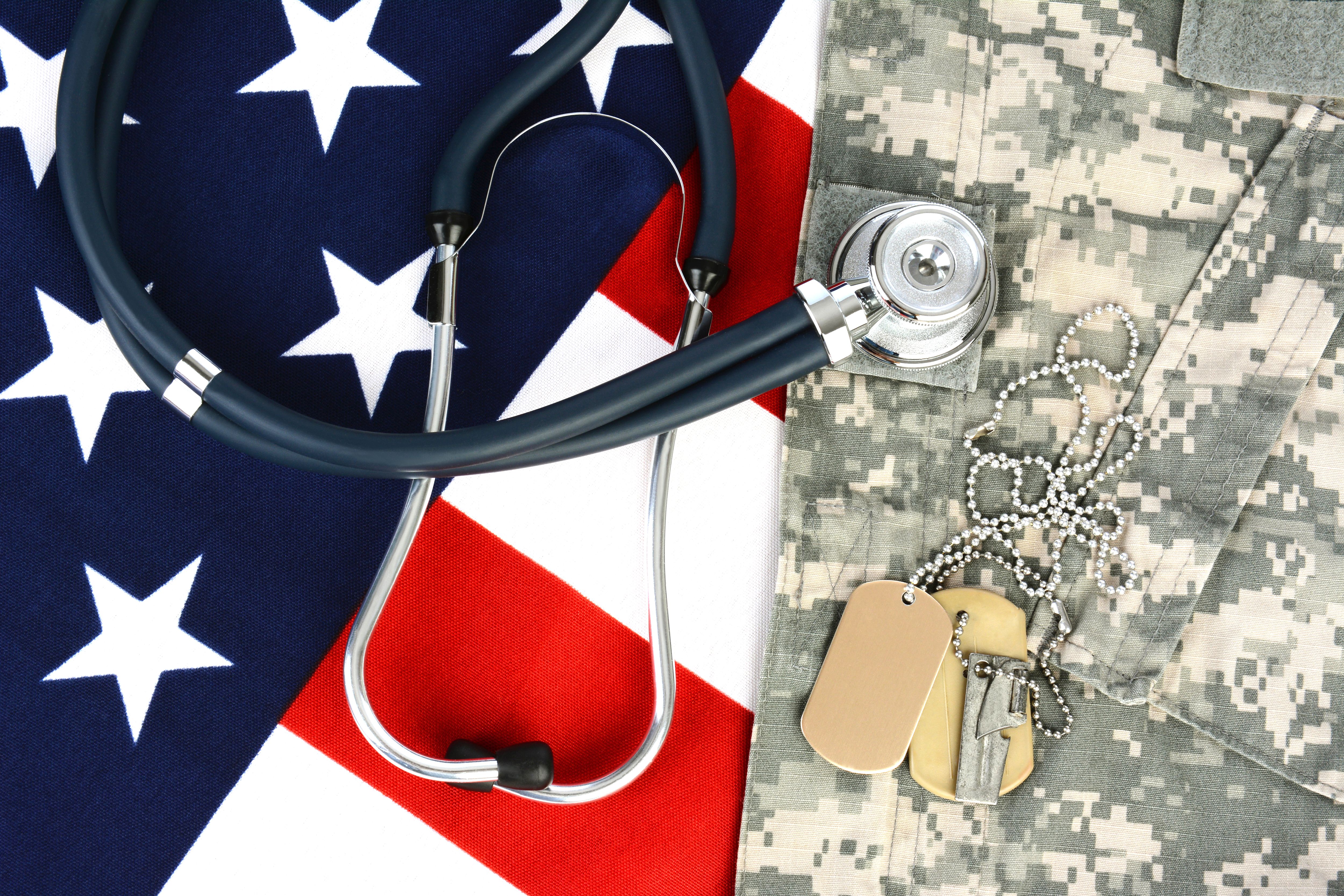
Veterans often need to enroll and navigate a system that can sometimes feel overwhelming. It’s important to understand the requirements and application process to ensure they receive the care they deserve.
Myth 2: All Veterans Suffer from PTSD
While Post-Traumatic Stress Disorder (PTSD) is a serious concern, not all veterans experience it. According to the VA, only a fraction of veterans are diagnosed with PTSD. This myth can lead to stigmatization and can overshadow the diverse experiences of veterans.
Raising awareness about mental health and providing appropriate resources is essential. It’s important to approach each veteran as an individual rather than making assumptions based on stereotypes.

Myth 3: Veterans Don't Need Employment Assistance
Another misconception is that veterans easily transition to civilian jobs due to their military skills. While veterans possess unique strengths, the transition can be challenging. Many need assistance translating military experience into civilian roles and may require career counseling or additional training.
Programs and initiatives that support veteran employment can make a significant difference, helping bridge the gap between military and civilian work environments.
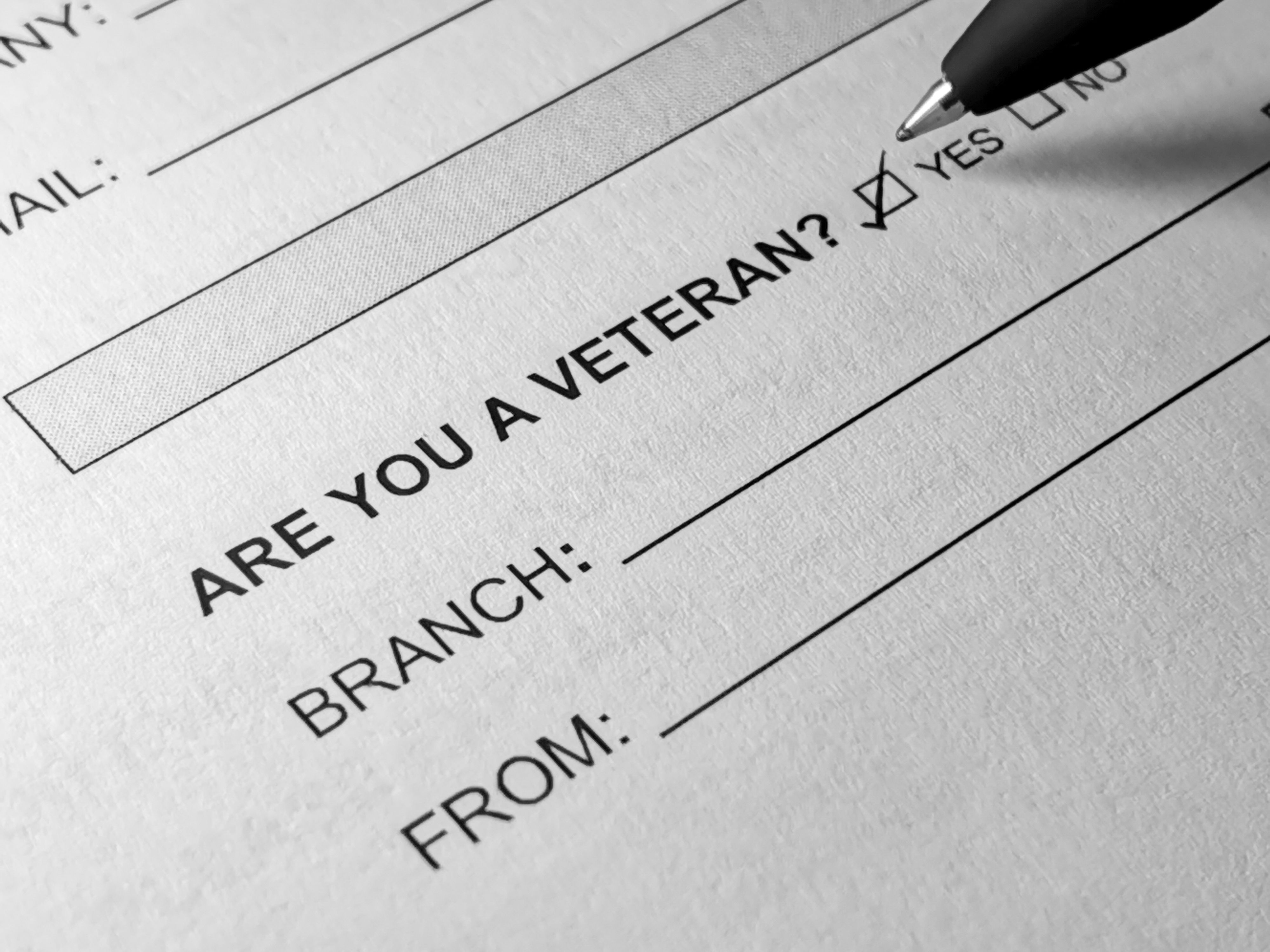
Myth 4: Veteran Support is Only Government Responsibility
Supporting veterans is not solely the responsibility of the government. Communities, businesses, and individuals all play a role. Local organizations can offer valuable resources and support systems, while businesses can create veteran-friendly hiring practices.
By fostering a community that values and supports veterans, we can create a more inclusive environment that acknowledges their contributions and sacrifices.
Myth 5: Charity is the Only Way to Help
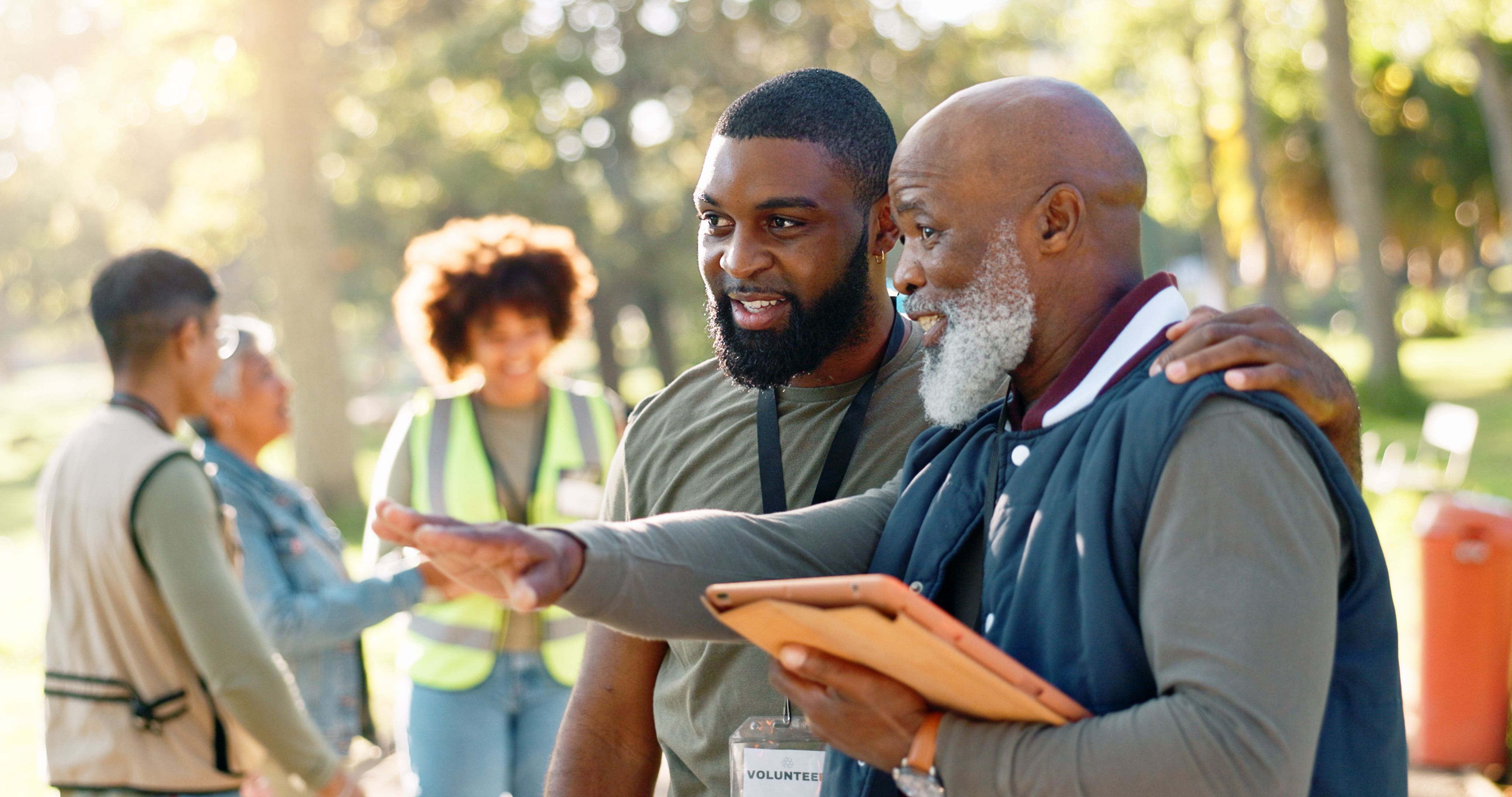
While donations and charity work are beneficial, there are numerous other ways to support veterans. Volunteering time, offering mentorship, or simply listening and engaging in meaningful conversations can have a profound impact.
Understanding these myths and the realities of veteran support can lead to more effective and compassionate assistance. By dispelling these misconceptions, we can better honor and support those who have served our nation.