
How Web 3 Technology is Transforming Veteran Support


Understanding Web 3 Technology
The evolution of the internet from Web 1.0 to Web 3.0 has brought about significant changes in how we interact with technology. Web 3 technology, characterized by decentralized networks and blockchain, offers new opportunities for various industries, including veteran support. By leveraging these advancements, organizations can provide more efficient, secure, and personalized services to veterans.
Web 3's decentralized nature ensures that data is not controlled by a single entity, which enhances privacy and security. This is particularly beneficial for veterans, who may have sensitive information that needs protection. Furthermore, blockchain technology can facilitate secure transactions and data sharing, making it easier for veterans to access the services they need.
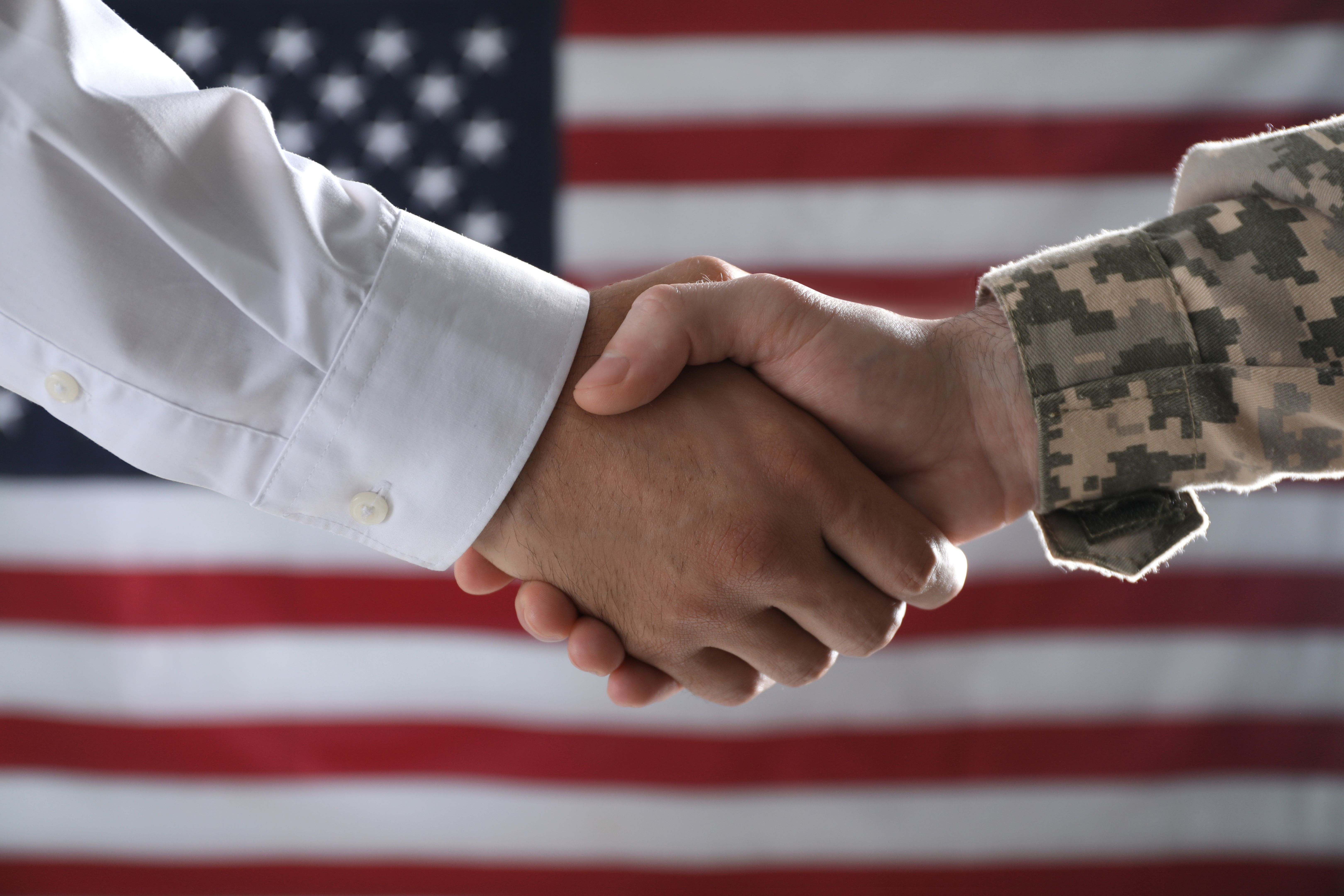
Decentralized Platforms for Veteran Services
Decentralized platforms enable veterans to connect with resources and support networks without intermediaries. These platforms can offer everything from mental health resources to job placement services, all tailored to the unique needs of veterans. By eliminating middlemen, these platforms can reduce costs and increase the efficiency of service delivery.
Moreover, decentralized platforms allow for greater transparency and accountability. Veterans can track their interactions and ensure that they are receiving the services promised. This level of transparency can build trust and encourage more veterans to engage with available resources.

Blockchain and Secure Transactions
Blockchain technology is revolutionizing how transactions are conducted by providing a secure and transparent ledger. For veterans, this means that transactions related to benefits, healthcare, and other services can be processed more securely and efficiently. Blockchain can reduce the risk of fraud and errors, ensuring that veterans receive what they are entitled to promptly.
Additionally, smart contracts, which are self-executing contracts with the terms of the agreement directly written into code, can automate various processes. This automation can lead to faster processing times and reduced administrative burdens for both veterans and service providers.

Personalized Support Through AI
Web 3 technology also integrates artificial intelligence (AI) to offer personalized support to veterans. AI-driven platforms can analyze data to recommend tailored services, such as mental health counseling or career development programs. This personalization ensures that veterans receive the most relevant support for their individual circumstances.
AI can also facilitate better communication between veterans and support organizations. Chatbots and virtual assistants can provide immediate responses to common inquiries, allowing human personnel to focus on more complex issues. This can lead to more efficient service delivery and improved satisfaction among veterans.

Future Prospects of Web 3 in Veteran Support
The future of veteran support is promising with the integration of Web 3 technology. As more organizations adopt these technologies, the potential for improved services grows. Enhanced data sharing, improved security, and more personalized service offerings are just the beginning. Veterans will have greater control over their data and interactions, leading to a more empowered community.
Ultimately, the transformation brought about by Web 3 technology can lead to a more inclusive and supportive environment for veterans. By embracing these innovations, we can ensure that those who have served receive the recognition and support they deserve.