
Debunking Myths: How Web 3 is Changing Veteran Support Services


Understanding Web 3 and Its Impact
The rise of Web 3 has brought about significant changes in various sectors, including veteran support services. While some perceive it as a buzzword, Web 3 has the potential to revolutionize how veterans receive assistance. By leveraging blockchain technology, decentralized apps, and smart contracts, Web 3 offers more secure, transparent, and efficient solutions.

One of the most notable benefits of Web 3 is its ability to enhance transparency. With blockchain's immutable ledger, veterans can access their records securely, ensuring privacy and eliminating the risk of data tampering. This transparency builds trust between veterans and service providers, fostering a more collaborative relationship.
Myth: Web 3 is Only About Cryptocurrency
Many people associate Web 3 solely with cryptocurrency. However, its applications extend far beyond digital currencies. For veteran support services, Web 3 can streamline processes like securing benefits, accessing mental health resources, and applying for job training programs. Smart contracts can automate these tasks, reducing bureaucracy and speeding up service delivery.
Furthermore, decentralized apps (DApps) can provide veterans with direct access to peer support networks. These platforms can facilitate real-time communication and collaboration, offering a sense of community and shared experience among veterans.

Enhanced Accessibility and Support
Web 3 can significantly improve accessibility for veterans with disabilities. Through decentralized platforms, veterans can engage with services from the comfort of their homes. This is especially beneficial for those with mobility challenges or those living in remote areas.
Moreover, the integration of AI and machine learning within Web 3 platforms can personalize support services, tailoring recommendations based on individual needs and preferences. This ensures that veterans receive the most relevant and effective assistance available.
Myth: Web 3 is Too Complex for Everyday Use
A common misconception is that Web 3 technology is too complex for the average user, including veterans. However, as the technology evolves, user interfaces are becoming more intuitive, making it easier for non-tech-savvy individuals to navigate. User-friendly designs and comprehensive guides are being developed to help veterans transition smoothly to these new platforms.
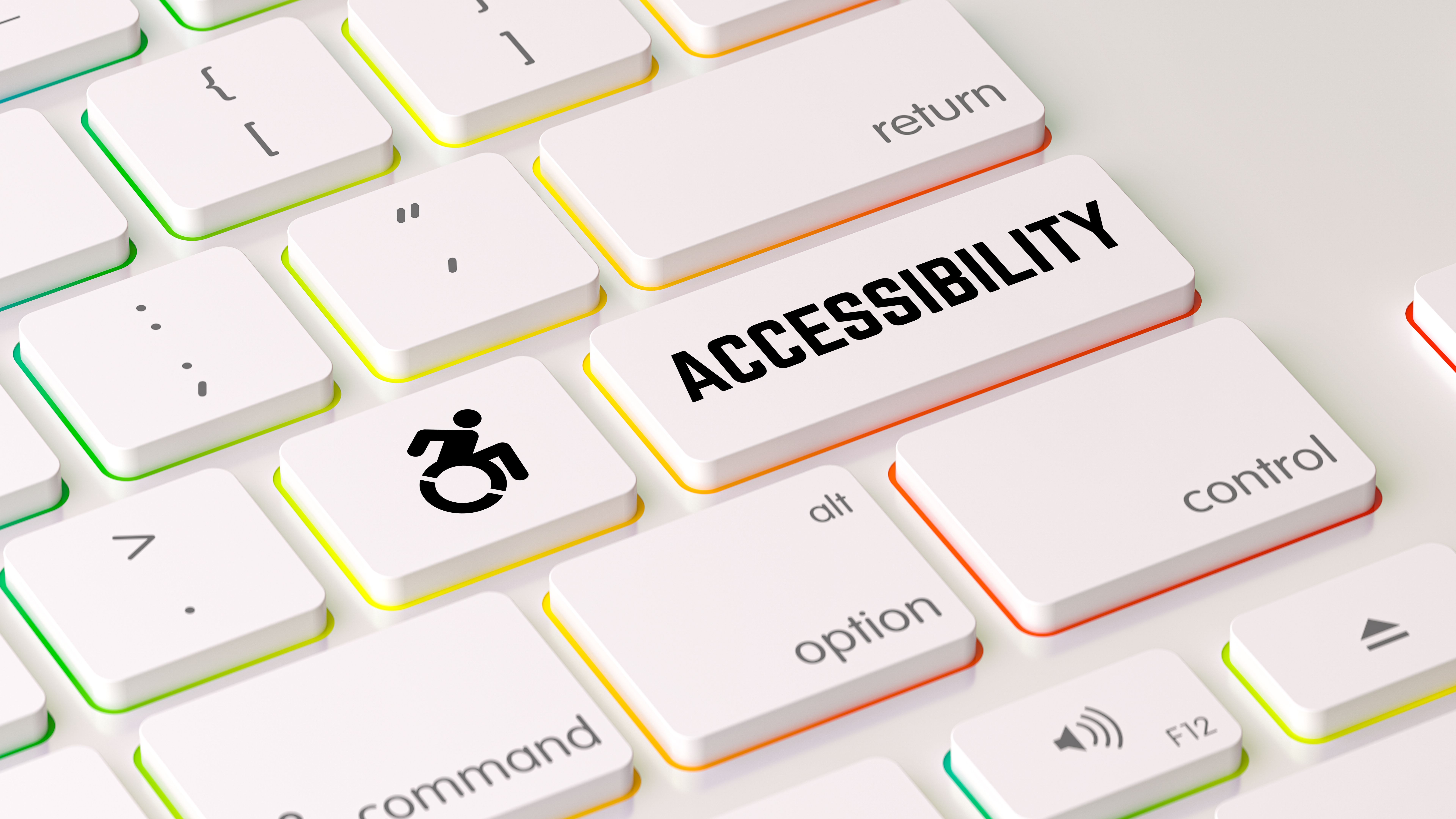
The focus on simplifying user experiences ensures that veterans can benefit from Web 3 without feeling overwhelmed or intimidated by the technology. This democratization of access is crucial in expanding the reach of veteran support services.
The Future of Veteran Support Services
As Web 3 continues to evolve, its potential to transform veteran support services is immense. By embracing this technology, service providers can offer more responsive, personalized, and efficient support. This not only enhances the quality of life for veterans but also empowers them to take control of their own support journey.
In conclusion, while myths about Web 3 persist, the reality is that it holds transformative potential for veteran support services. By debunking these myths and understanding the true capabilities of Web 3, we can pave the way for a more inclusive and supportive environment for veterans worldwide.